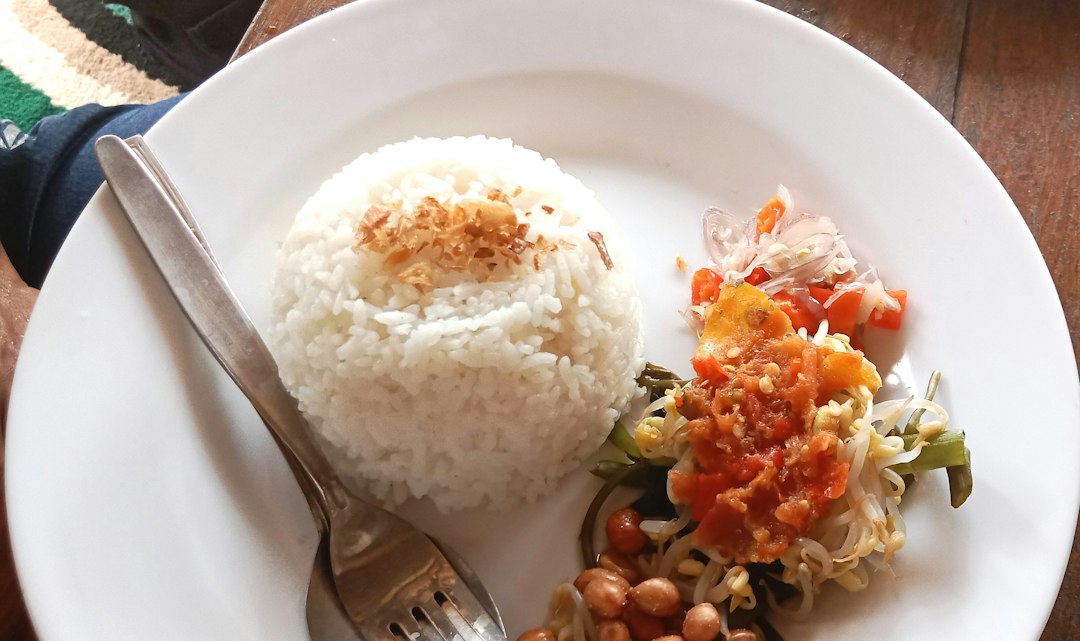
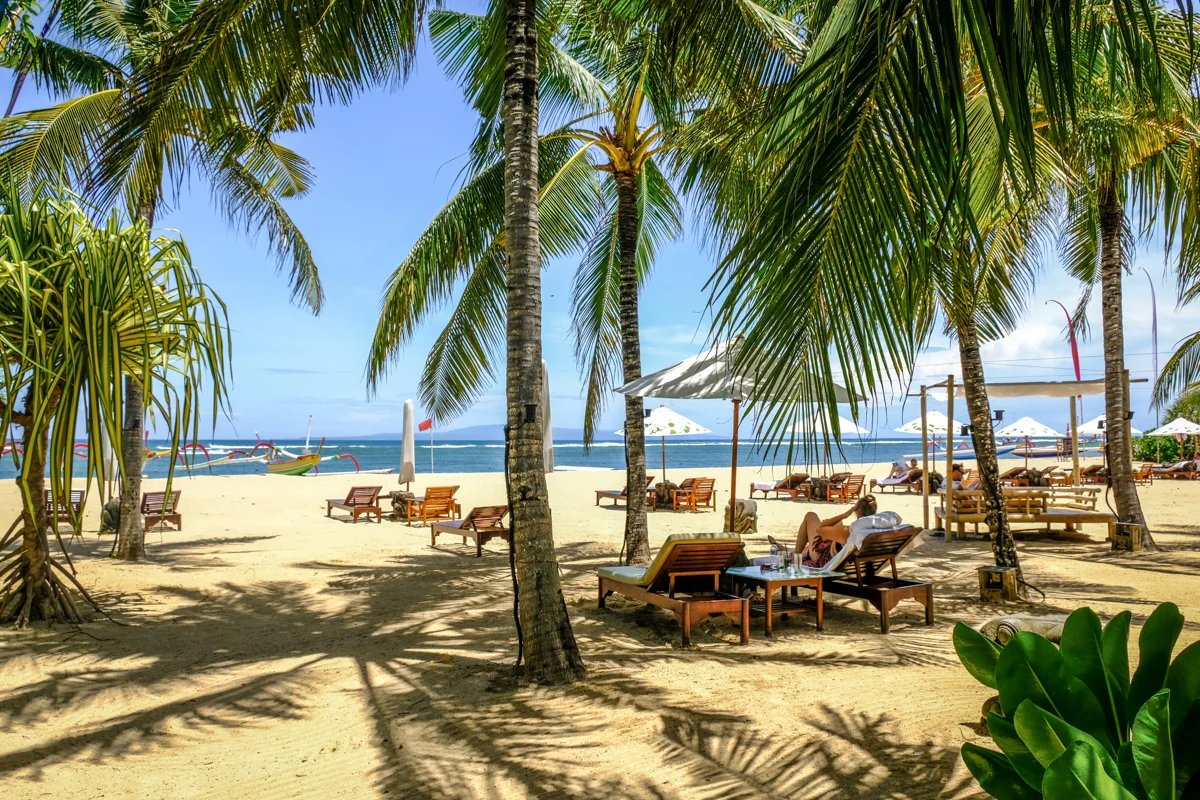
Short answer: breakfast is the most overpriced meal in Bali and the easiest one to fix. A smoothie bowl and a coffee in Canggu runs 120,000–220,000 IDR. A local breakfast at a warung is 20,000–35,000. That is roughly three to six times for the meal people care least about.
Moving only breakfast to the warung tier saves 1.5–2.5 million IDR a month and costs you almost nothing in enjoyment.
Last checked: 13 August 2026. Prices in Indonesian rupiah.
What breakfast costs
| Item | Warung | Café | Beachfront / hotel |
|---|---|---|---|
| Local breakfast plate | 20,000–35,000 | — | — |
| Eggs on toast | 25,000–40,000 | 60,000–110,000 | 90,000–160,000 |
| Smoothie bowl | — | 80,000–150,000 | 110,000–190,000 |
| Big brunch plate | — | 100,000–180,000 | 150,000–250,000 |
| Pancakes / French toast | — | 70,000–130,000 | 100,000–180,000 |
| Coffee | 8,000–25,000 | 30,000–55,000 | 50,000–80,000 |
| Fresh juice | 15,000–30,000 | 40,000–70,000 | 60,000–100,000 |
| Full breakfast + coffee | 30,000–55,000 | 120,000–220,000 | 180,000–320,000 |
Over a month, eating breakfast out daily:
| Tier | Monthly |
|---|---|
| Warung | ~900,000–1,650,000 IDR |
| Café | ~3,600,000–6,600,000 IDR |
| Beachfront | ~5,400,000–9,600,000 IDR |
Why the café tier costs what it does
Not a rip-off, and worth understanding rather than resenting:
- Imported ingredients. Acai, granola, nut butters, plant milks, imported berries, sourdough starter culture — all carry duty and shipping. See groceries and shopping in Bali.
- Prime rents. The main-road Canggu and Seminyak locations are the most expensive commercial space in Bali.
- Service charge and tax, commonly 15–21% combined on top of the menu price. Warungs do not add it.
- It is genuinely good. Bali's brunch scene is competitive and the quality at the top is high.
The problem is not that it exists. It is that it is the only thing visible from the main road, so people default into it seven mornings a week without ever deciding to.
What Indonesians actually eat for breakfast
All 20,000–35,000 IDR, all available before 9am at any warung, and all better than they sound:
| Dish | What it is |
|---|---|
| Bubur ayam | Rice porridge with shredded chicken, crackers, fried shallots, sambal. The classic breakfast |
| Nasi kuning | Turmeric rice with small sides — egg, tempeh, sambal |
| Nasi campur | Mixed rice, the all-day default, entirely normal at 8am |
| Lontong sayur | Compressed rice cake in a light vegetable coconut broth |
| Nasi goreng with egg | Fried rice, frequently made from last night's rice |
| Pisang goreng | Fried banana with coffee — the snack breakfast |
| Kopi tubruk | Local coffee, 8,000–15,000 IDR |
On the sweetness: local breakfast drinks default sweet. Tanpa gula is without sugar, sedikit gula is a little. See the full vocabulary in the warung guide.
The middle option nobody uses
You do not have to choose between a 35,000 IDR warung plate and a 180,000 IDR brunch.
- Eggs and toast at a small non-tourist café: 40,000–70,000 IDR.
- Fruit from the pasar plus yoghurt bought at a local supermarket: roughly 15,000–25,000 IDR a serving, and Bali's fruit in season is genuinely excellent.
- Coffee at a warung, food at home. A 12,000 IDR kopi tubruk while you read is a better morning than a queue at 9:30.
- Café breakfast twice a week rather than seven times. Same enjoyment, a third of the cost.
Brunch as a social event
Being fair to the thing this page is criticising: brunch in Canggu and Seminyak is a genuine social institution. It is where people meet, where you catch up with someone before they leave the island, and where a lot of the community actually happens.
That is worth paying for — deliberately. Twice a week as a social event is a different purchase from seven mornings of defaulting into the nearest place with a nice sign.
Practical note: the brunch rush is roughly 9–11am, and the good cafés are full and slow through it. If you want the food rather than the scene, go at 8am or 11:30.
Working from a brunch café — usually a mistake
The overlap between "good brunch" and "good workspace" is smaller than it looks. Many of Bali's best breakfast rooms have limited outlets, no aircon, and a culture of eating and leaving.
The cafés that are genuinely built for laptops are a different list — graded on wifi, outlets, aircon and noise here: best cafés to work from in Canggu and working from Ubud.
The honest negatives
- Warung breakfast is repetitive if you eat it seven days a week. So is a smoothie bowl.
- Local breakfasts are savoury and often spicy, which takes adjusting to if you are used to sweet or bland mornings.
- Warungs open early and sell out — bubur ayam is frequently gone by 10am.
- Hygiene at the very cheapest end — turnover is your filter, as always.
- Cross-contamination and hidden shrimp paste if you are plant-based; see vegan and vegetarian in Bali.
- The café tier is genuinely good. This page is about proportion, not about the food being bad.
Where the money leaks
Breakfast is the single easiest saving in a Bali month, because it is the meal where the price gap is largest and the emotional attachment is smallest. Moving it alone is worth 1.5–2.5 million IDR a month.
The wider food pattern is the same: defaulting to the visible tier costs 4–6 million IDR a month over mixing in warungs. See cost of living in Bali and Bali on a budget.
And the usual unadvertised discounts apply to eating out here too — early-dinner sets at 5–6:30pm, quiet-weeknight food promotions, and 2-for-1 windows from around 4pm to 7pm that close before most people sit down.
Last Call Bali tracks what venues across Canggu, Pererenan, Ubud, Seminyak, Uluwatu and Sanur are discounting right now, with a direct WhatsApp line to the venue. No commission, no booking fee, no card details.
See what's discounted near you today →
Related
- Bali warung guide: what to order
- Cheap eats in Canggu · Ubud · Uluwatu
- Bali coffee guide
- Vegan and vegetarian in Bali
- Groceries and shopping in Bali
- Best cafés to work from in Canggu
- Bali on a budget
How this page is verified
Price bands come from eating breakfast at all three tiers across Canggu, Pererenan, Ubud, Seminyak and Sanur, cross-checked with current residents, and re-checked monthly.
We deliberately do not name cafés. We take no commission or affiliate fees in this category, brunch venues turn over quickly, and the useful part is the price structure and the local menu vocabulary — which work in any area, including the ones no listicle covers. This page is also not an argument that Bali's brunch scene is bad; it is genuinely good. It is an argument that seven mornings a week of it is a decision worth making on purpose rather than by default.