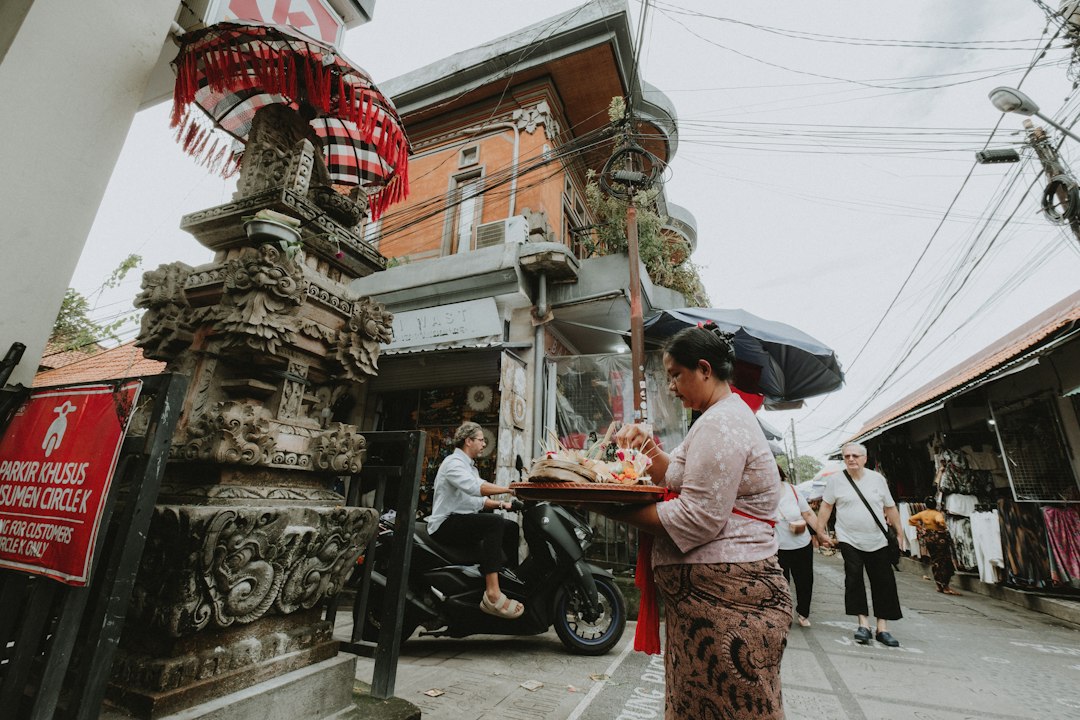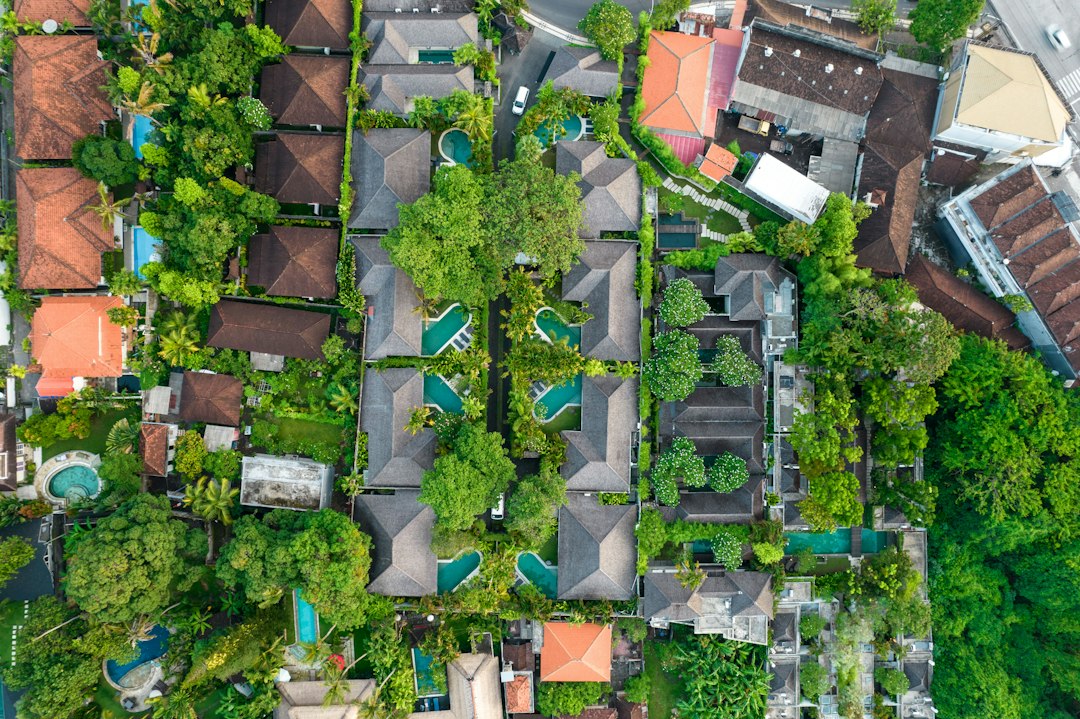
Short answer: Pererenan is Canggu with the noise turned down. Same infrastructure, five to ten minutes north, roughly 10–20% cheaper, and home to the current best crop of work cafés on the island. What you give up is options on your doorstep and social energy.
Canggu for your first month. Pererenan from your second. That is the pattern almost everyone follows, and the reason is sleep.
Last checked: 13 August 2026. Prices in Indonesian rupiah, monthly.
Side by side
| Canggu (Berawa / Batu Bolong) | Pererenan | |
|---|---|---|
| Room in shared villa | 5–9M | 4–8M |
| 1-bed villa | 12–22M | 11–20M |
| 2-bed pool villa | 20–40M | 18–38M |
| Noise & construction | Heavy | Moderate |
| Traffic 4–7pm | Bad | Manageable |
| Walkability | Partial (Batu Bolong best) | Low |
| Work cafés | More choice, faster peak wifi | Best quality, quietest |
| Coworking | On the doorstep | 5–10 min south |
| Gyms & studios | Best in Bali | Thin — ride to Berawa |
| Food range | Widest | Growing, quality over quantity |
| Nightlife | Heavy | Light |
| Meeting people | Easiest in SE Asia | Slow |
| Surf | Beginner to advanced | Reef mix, not for beginners |
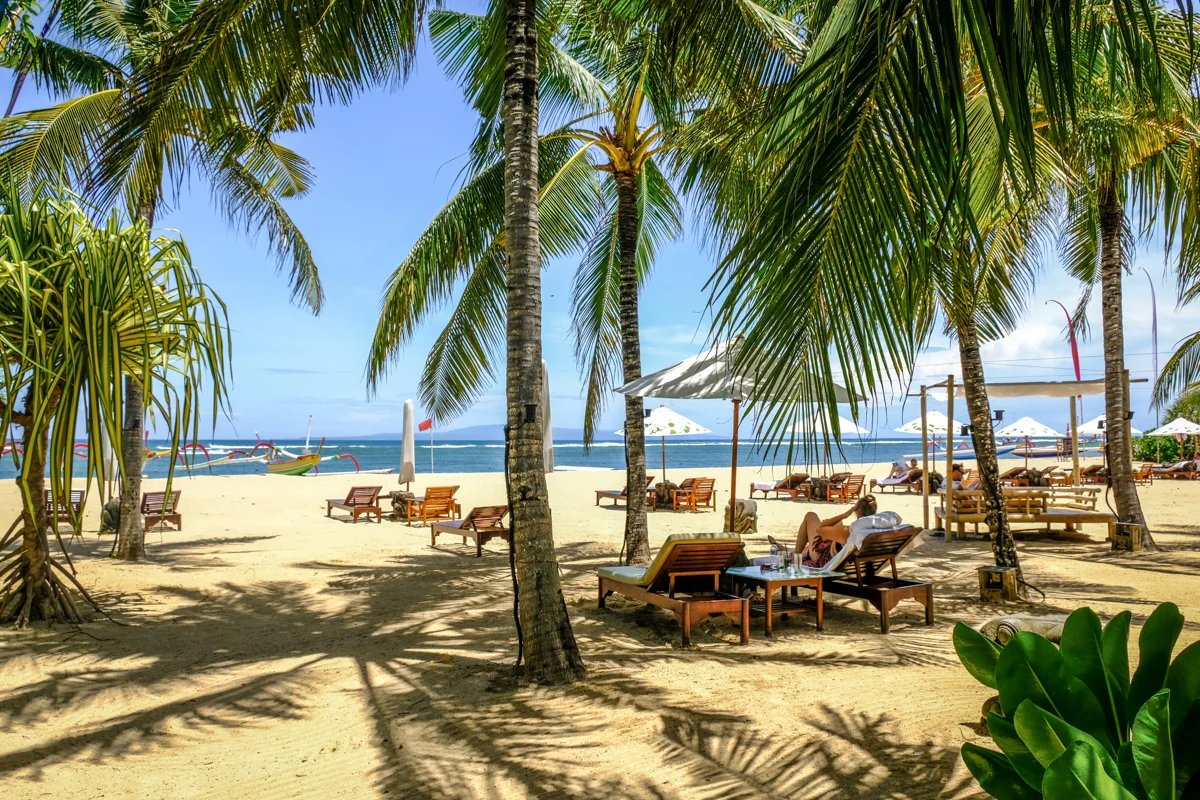
| Beach | Dark sand, shore dump | Same, quieter |
The actual difference: noise
Everything else on that table is a matter of degree. Noise is the one that changes your life.
Canggu runs on continuous construction — the empty lot next door is a future villa — plus traffic and, near the strips, bass until late. It is the single most common reason people move after their first month, and it is not something you notice on a three-day viewing.
Pererenan still has construction, and it is building fast. But the baseline is meaningfully lower, and rice fields between compounds absorb a lot.
Practical test before you sign anywhere in either: ride past at 7am on a weekday. That is when you hear what your mornings will sound like.
What Pererenan wins
Work cafés. The current best crop for actually working — low ambient noise, plugs at every table, rice-paddy settings, and a culture where nobody blinks at a laptop stand and a second screen. Tribal, Miel, Noah and Koloni are here or on the boundary. See best cafés to work from in Canggu.
Sleep. Covered above, and it is the whole argument.
Rent, modestly. 10–20% for equivalent space, widening inland.
Traffic. The Canggu 4–7pm crawl mostly happens south of here. You can leave at 4:45 and skip it.
A neighbourhood rather than a strip. Rice fields, small warungs, people who live there.
What Canggu wins
Density. Fifteen-plus laptop cafés, several coworking spaces, two large gyms, multiple studios, surf schools and spas within a 10-minute ride. Twelve options for everything means you can be picky on price.
Community. The highest concentration of remote workers in Southeast Asia. In Pererenan you will meet people; in Berawa you will have plans by day three. See how to meet people in Bali.
Fitness and recovery. Pererenan has almost none of it. The gyms, pilates studios, Muay Thai and ice baths are all a ride south. See gym day passes in Bali.
Beginner surf. Batu Bolong and Old Man's are the learning waves. Pererenan's break is a reef-and-sand mix, less consistent and not a beginner spot. See Canggu surf spots.
Food range and peak wifi speed.
The month-two switch
The pattern is consistent:
- Month 1 — Berawa or Batu Bolong. You need density, people and options while you learn the island. Coliving here is the fastest possible start.
- Month 2 — you notice the noise. Construction at 7am, traffic at 5:30pm, and something on every night.
- Month 3+ — Pererenan, with the social base from month one intact and a five-minute ride back to it.
Moving north with no friends is a lonely version of Pererenan. Build the network first, then move to sleep.
Distances
| Trip | Off-peak | 4–7pm |
|---|---|---|
| Pererenan → Batu Bolong | 6–10 min | 15–25 min |
| Pererenan → Berawa | 10–15 min | 25–35 min |
| Pererenan → Seminyak | 25–35 min | 45–60 min |
| Pererenan → Airport | 45–70 min | 70–90 min |
The 4–7pm column is the one that decides your habits. If your gym is in Berawa and you live in Pererenan, you will train in the morning or you will stop training. See getting around Bali.
Good for / skip if
Pererenan if: you are staying a month or more, you work full days, you have scooter confidence, you sleep badly, and you already know some people here.
Canggu if: it is your first two to six weeks, you are travelling alone and want plans fast, gym and beach club access matter, or you are learning to surf.
Neither if: you want to swim in the sea, want nightlife walkable from bed, or want to live without a scooter. That last one points to Sanur.
The honest negatives
Pererenan: no walkable core — every dinner is a ride. Fewer options, so when the café you wanted is full there is no fifth. A quiet social scene that will feel slow if you are here two weeks. And it is building fast; this is Canggu six years ago, and the construction is arriving.
Canggu: noise, the 4–7pm window, the highest rent in the area, no swimming, and a social gravity that quietly adds 3–5 million IDR a month to a budget.
Where the money leaks in both
Whichever you pick, the total is set by whether you pay the tourist rate or the resident rate on what you buy weekly. Villas 40–60% cheaper monthly than nightly and another 20–30% for long stays, scooters at 700,000–1,200,000 IDR a month against 70,000–100,000 a day, gym and studio weekly passes 30–50% below drop-ins, spa slots in the empty 1–4pm window at 30–50% off, and hotel pool day passes at half a beach club minimum spend.
Last Call Bali tracks what venues across Canggu, Pererenan, Ubud, Seminyak, Uluwatu and Sanur are discounting right now, with a direct WhatsApp line to the venue. No commission, no booking fee, no card details.
See what's discounted near you today →
Related
- Pererenan area guide · Berawa area guide
- Berawa vs Batu Bolong vs Pererenan — all three at once
- Renting in Canggu
- Best cafés to work from in Canggu
- Where to base yourself in Bali as a nomad
- Coliving in Bali
How this page is verified
Rent bands come from owners, agents and current residents in both areas, cross-checked and re-verified quarterly. Travel times are measured on the ground at off-peak and 5:30pm rather than taken from a mapping app, which underestimates the Canggu evening consistently.
The noise point is given the weight it is because it is what residents actually cite when they move, and it is the one factor a short viewing will not reveal — hence the 7am ride-past, which is the most useful thing on this page.